Mar 4, 2024 | News & Press
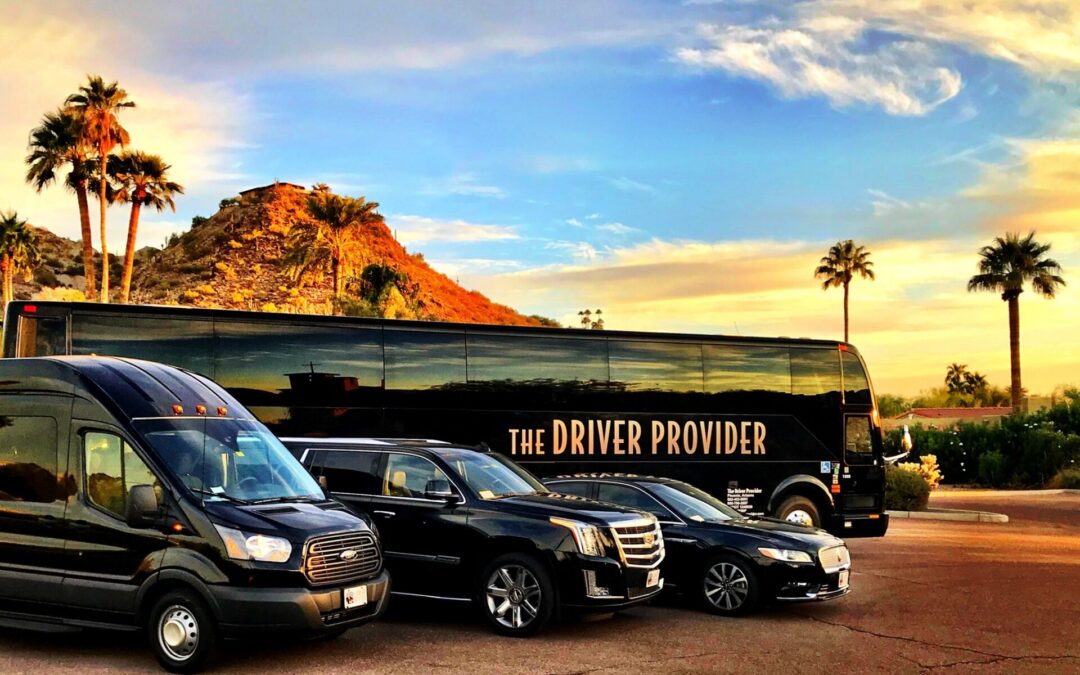
Shuttle Bus Leasing (SBL), a leading provider of transit and sustainable transportation solutions, in collaboration with its affiliate Complete Coach Works (CCW), is pleased to announce that it has been awarded a contract for the lease of four 2002 40-ft New Flyer buses to The Driver Provider, a premier transportation company known for its commitment to excellence and customer satisfaction. This partnership marks a milestone for both companies as they join forces to enhance transportation services in the region.
Under the terms of the agreement, SBL will lease four buses to The Driver Provider, further expanding their fleet. The buses will be sourced from SBL’s inventory and subjected to a thorough inspection process to guarantee operational reliability on the road.
“We are thrilled to provide The Driver Provider with additional buses matching their current fleet,” said Shah Remtulla, Regional Sales Manager at CCW. “We look forward to working alongside The Driver Provider and contributing to their expansion and success in the industry.”
“We are excited to welcome these new buses to our fleet and continue our partnership with Shuttle Bus Leasing,” said Kendra Kaplan, Vice President of Sales at The Driver Provider. “Expanding our fleet to 39 units allows us to better serve our clients and meet the increasing demand for our services. We are confident that these buses will enable us to deliver a superior transportation experience to our customers.”
The collaboration between SBL and The Driver Provider highlights the importance of strategic partnerships to drive innovation and growth in the transportation sector. By leveraging each other’s strengths and expertise, both companies are well-positioned to deliver exceptional value to their clients and contribute to the advancement of the industry.

Feb 26, 2024 | News & Press
RIVERSIDE, CA – Complete Coach Works (CCW), a leading provider of transit and sustainable transportation solutions, proudly announces its remarkable achievement in the American Public Transportation Association’s (APTA) 2024 Annual Ad Wheel Awards Competition. The company was presented two First Place Awards for its outstanding contributions in Best Print Media for Workforce Development – “Recruitment Print Initiative” and Best Electronic Media for Workforce Development – “Recruitment Video Initiative”.
APTA’s Annual Ad Wheel Awards Competition is well-regarded within the public transportation industry, recognizing excellence in marketing and communications efforts. CCW’s exceptional performance in this year’s competition underscores the company’s commitment to innovation, creativity, and effectiveness in promoting workforce development initiatives.
Collaborating closely with the Human Resources department, CCW’s Marketing team developed strategies to attract and retain top talent for its organizations. This collaborative effort played a pivotal role in the company’s success, highlighting the significance of cross-departmental collaboration in achieving organizational goals.
Marketing professionals across the nation joined the awards ceremony held at the Marketing, Communications, and Customer Experience Workshop in New Orleans, LA, February 11th -14th. CCW had the honor of accepting the awards from Jaime Kazlo, Vice-Chair, and Adam Shumaker, Secretary of the Marketing, Communications, and Customer Experience committee.
“We are thrilled and honored to receive these prestigious awards from APTA,” said Kallie Arevalo, Marketing Manager at CCW. “We recognize the importance of investing in our workforce and creating opportunities for professional growth. These awards validate our efforts in leveraging print and electronic media to effectively communicate our commitment to workforce development.”
For more information about Complete Coach Works and its innovative solutions, visit transitsales.com/.

Feb 6, 2024 | News & Press
The sale or lease of pre-owned transit buses and commuter coaches in the US and Canadian market is unique in that there is typically not a large secondary market like there is in heavy-duty truck, motorcoaches and other commercial equipment.
The reason for this is because transit buses are operated by city transit agencies for twelve years or more and are usually retired thereafter.
However, organizations such as Transit Sales International (TSI) and Shuttle Bus Leasing (SBL) are experts in repurposing transit buses and commuter coaches making them available to customers in the secondary market in the US and Canada.

What type of vehicles are in inventory?
TSI has an inventory of over 1,000 buses which are securely stored at its facility in Southern California and available for immediate sale or lease.
These buses have been purchased from transit agencies across the United States and are available in all vehicle lengths and propulsion types representing virtually all vehicle OEM brands. TSI is selective in which buses they acquire from transit agencies and focuses on units that are well maintained, typically from the southern tier of the country to minimize frame and corrosion issues.

What is the Vehicle Selection and Make Ready Process?
If a customer has a need for a vehicle to purchase, short-term or long-term lease, TSI or SBL works with the customer to select buses that suit his or her needs from a technical perspective (I.E. OEM, propulsion, length, etc.).
Once buses are identified from the TSI inventory, they are brought to Complete Coach Works (CCW) to begin the make ready process. At a minimum, CCW ensures that all vehicle systems are operational and the bus(es) are DOT ready. CCW applies a new white paint coat to the vehicle(s) to ensure a clean and sparkling exterior.
Depending on customer choice, CCW can also refurbish or update any part of the selected vehicle including powertrain, suspension, interior, seating, etc.

What are the prices of the buses?
Buses are offered for sale by TSI in a standard diesel 40’ configuration starting at $95,000 per unit exclusive of taxes, title and registration and are then scaled higher or lower in price depending on length, propulsion and extent of desired refurbishment beyond TSI’s normal standard as noted above.
Leasing options are available from SBL through a standard 12-month term starting at $5,500 per month (exclusive of taxes, title and registration) for the standard 40’ diesel transit bus. Pricing is then scaled higher or lower, similar to above, for differences in technical configuration and refurbishment level.
Lease pricing can be adjusted for longer or shorter terms as desired by the customer,however, terms shorter than 6 months are typically not considered. Purchase options are available for vehicles under lease during the lease contract and can be negotiated with SBL directly.
All pricing noted above is for delivery F.O.B. Riverside, CA.

Is there a cost for Maintenance, Repairs and Warranties?
For purchases and leases, the buyer is responsible for all repairs. Maintenance leases can also be considered on a case by case basis, however, volumes greater than 20 units need to be considered as well as location and contract term
Warranties are provided for 30 days (parts and labor) following vehicle delivery/pickup as well as a 90 day parts only warranty for a catastrophic failure to the engine, transmission or differential.
Are there any Limitations? What about the “The Fine Print”?
SBL does not have mileage or any other limitations within its lease requirements except for the requirement for leasees to follow the bus manufacturer’s maintenance and service protocols and to utilize OEM new or refurbished parts when possible.
Bottom Line
TSI and SBL make it easy for customers to buy or lease pre-owned transit buses or commuters coaches by providing the industry’s most comprehensive inventory vehicle selection, scaled pricing based on vehicle type, configuration and extent of refurbishment and lease terms to fit contractual or service needs.
Another significant benefit of purchasing or leasing from TSI and SBL is the speed at which vehicles can be made ready for deployment. Typically, for our standard scope of work vehicles can be made ready within 30-60 days.

Jan 22, 2024 | News & Press
RIVERSIDE, CA, JANUARY 22, 2024— Complete Coach Works (CCW), the nation’s leading transportation solutions provider, is pleased to announce the appointment of Shah N. Remtulla as Regional Sales Manager for the Southwest Region. With over 14 years of experience in the North American transit market, Remtulla brings a wealth of knowledge and expertise to his new role. In this new capacity, Remtulla is responsible for sales, business development and customer relationships in Louisiana, Texas, New Mexico, Colorado, Arizona, Utah and Nevada.
Remtulla began his transit career in 2009 at NovaBus, where he initially served as a Bids Administrator before transitioning into a successful 8-year tenure in Project Management. His successes led him to the role of Regional Sales Manager for the same southwest region as we have at CCW. With a proven track record of excellence, Remtulla is well-regarded for his industry acumen, professionalism and comprehensive understanding of transit operations and his ability to listen to customer issues and design innovative solutions.
As a passionate advocate for innovative and sustainable transportation solutions, Remtulla is primed to excel in his new capacity as Regional Sales Manager. In this role, he will spearhead business development efforts, cultivate robust client relationships, and champion CCW’s diverse range of transit solutions with customers. With his comprehensive understanding of the transit industry and steadfast commitment to customer satisfaction, Remtulla will assume a pivotal role in driving CCW’s growth and influence in the Southwest region.
Patrick Scully, Chief Commercial Officer at CCW, expressed his excitement about Remtulla joining the team: “We are thrilled to welcome Remtulla to the Complete Coach Works team. I met Remtulla a few years ago at a trade show and I was immediately impressed by his presence and professionalism. In mid-2023, when I learned that he was available we immediately connected to assess his fit for our work at CCW. His exceptional track record, coupled with his industry insights and dedication to advancing sustainable transportation, perfectly aligns with our company’s mission. We are certain that Remtulla ‘s expertise will further our commitment to delivering innovative and efficient transit solutions.”
Remtulla, commenting on his new role, stated, “I am genuinely excited to be part of an organization that is at the forefront of transforming the transit industry. CCW’s reputation for excellence and innovation resonates deeply with my professional values. I eagerly anticipate collaborating with transit agencies in the Southwest Division to provide tailor-made solutions that cater to their unique operational needs.”
With his comprehensive background in the transit sector and a profound understanding of the challenges and opportunities facing transit agencies, Remtulla is poised to make a significant impact in his new capacity. His addition to the Complete Coach Works team further underscores the company’s unwavering dedication to driving sustainable transportation solutions and nurturing industry growth.
Jan 18, 2024 | News & Press
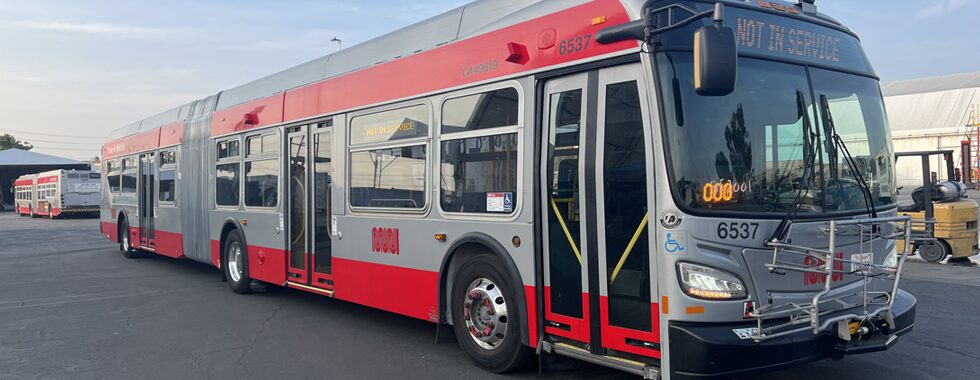
RIVERSIDE, CA, — Complete Coach Works (CCW), the nation’s leading transportation solutions provider, announced today the beginning of deliveries for a five-year contract awarded by the San Francisco Municipal Transportation Agency (SFMTA) to perform Mid-Life Overhaul services for a total of 219 coaches. This is the largest single contract that CCW has been awarded in its history.
SFMTA (or Muni) is a vital organization responsible for ensuring the seamless and efficient movement of people throughout the city of San Francisco. The agency oversees the largest transit system in the Bay Area. Muni has a rich history as one of America’s oldest public transit agencies and has grown to become the eighth largest public transit system in the nation. Muni’s buses, trains, and cable cars are integral to San Francisco’s identity, transporting both locals and visitors to their destinations.
To maintain Muni’s fleet in optimal condition, CCW’s Mid-Life Overhaul services will replace or refurbish various systems on its vehicles. With hundreds of thousands of riders relying on Muni every day, ensuring the reliability of each vehicle is critical to Muni’s operation. Muni’s fleet is diverse, including hybrid electric coaches, electric trolley coaches, historic streetcars, light rail vehicles, its world-famous cable cars and Muni’s battery electric pilot bus program launched in 2022. CCW’s expertise will play a vital role in ensuring that Muni’s fleet remains in optimal condition.
CCW will perform the work for this contract primarily at Riverside, CA headquarters with final deliveries managed at its Alameda facility in the Bay Area.
The overhaul work on both 40 ft and 60 ft hybrid electric coaches will include repowering the buses with either new or remanufactured Cummins ISL engines and the hybrid propulsion system.
Additionally, various systems including doors, electrical cabling and electronic equipment, suspension, lines and piping, propulsion, cooling, electrical, and the articulation joint are all part of the work scope for the project.
“We are honored to have been chosen by SFMTA to perform this major overhaul project,” said Brad Carson, CCW’s Chief Operating Officer. “CCW has a long history of performing similar scopes of work for other transit agencies including a previous Midlife Overhaul contract with Muni for 80 buses in 2013. We look forward to working closely with Muni on this new contract.”